Transforming a salvage title vehicle from a total loss into the envy of the local car meet is the ultimate test of a gearhead’s mettle. It requires a blend of mechanical intuition, extreme patience, and a strategic approach to sourcing components. While the paperwork might label it as junk, a disciplined builder sees a blank canvas with a discounted price tag. This guide breaks down the journey from the auction lot to the fast lane, ensuring your build is safe, legal, and undeniably fast.
When you purchase a salvage car, you are essentially buying a puzzle that someone else gave up on. The goal is not just to make it run, but to elevate it to a standard that exceeds its original factory specifications. This process takes hundreds of hours and a meticulous eye for detail. By the time you finish, you will know every bolt, wire, and seal in the machine. It is a grueling process, yet for those who live for the smell of grease and the sound of a high-revving engine, there is no greater satisfaction than saving a legend from the crusher.
Assessing the Damage and Setting a Realistic Roadmap
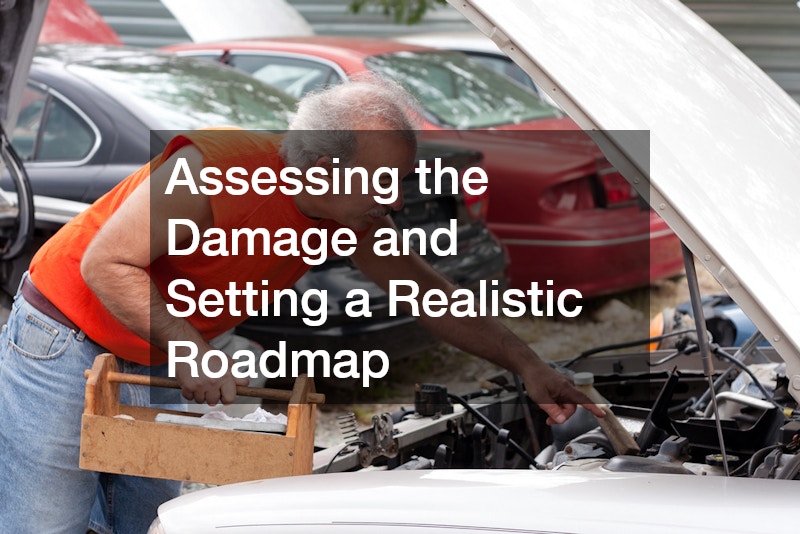
Before turning a single wrench, you must perform a brutal audit of the vehicle’s structural integrity. A salvage title usually means insurance companies found repair costs exceeded the car’s value, but for a performance enthusiast, that math changes when you provide the labor. Your priority is identifying deal-breakers like severe frame kinking or major fire damage that could compromise the car’s future handling.
Once the car is on stands, clear out the components that are beyond saving to create a clean workspace. You can recoup a small portion of your initial investment by hauling away non-essential, damaged heavy parts through professional scrap metal services. These outfits often provide containers or pickup options, making it easy to clear out old exhaust systems, bent suspension arms, and rusted subframes that have no place on a high-performance build.
If the interior or trunk was filled with ruined components from a flood or minor electrical fire, don’t just toss them in the trash. Proper electronics recycling ensures that old ECUs, sensors, and wiring harnesses are handled responsibly while you make room for high-performance replacements. Many modern cars have dozens of modules that are useless once waterlogged, so getting them out of your shop safely is a vital first step.
Restoring Structural Integrity and Exterior Aesthetics
A Street King must look the part, but the beauty must be more than skin deep. When dealing with salvage vehicles, minor fender benders are common, but you must ensure the chassis is pulled straight before any performance suspension is bolted on. Proper alignment is the difference between a car that tracks true at high speeds and one that fights you in every corner.
- Verify the frame horns are straight and within factory tolerances.
- Inspect all mounting points for signs of stress fractures.
- Ensure the door gaps and hood lines are consistent across the body.
- Check for hidden rust under the floor pans or in the wheel wells.
For those deep dents or misaligned panels, seeking out professional auto body collision repair is often more efficient than attempting DIY filler work on high-stress areas. A professional shop has the frame pullers and alignment racks necessary to ensure the skeleton of your car is perfect. This foundation is critical because even the best engine cannot compensate for a car that crab-walks down the highway.
Once the metal is straight, you can focus on the glass, which is often pitted or cracked in auction cars. Investing in a high-quality auto windshield repair or a total replacement ensures structural rigidity and provides the crystal-clear visibility required for spirited driving. A damaged windshield is more than an eyesore; it is a safety hazard that can compromise the roof’s strength in a rollover.
Precision Engineering for High-Stakes Performance
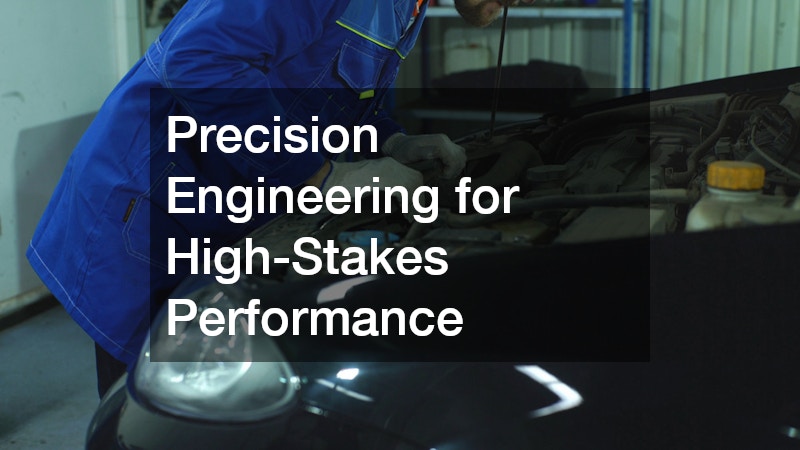
The heart of any build is the powertrain. Since salvage cars often have unknown maintenance histories or may have suffered mechanical trauma during an accident, a complete teardown is usually the safest path to reliability. You aren’t just looking for a runner; you’re looking for a platform that can handle increased boost or higher RPMs.
For engines that have seen better days or suffered oil starvation, comprehensive car engine rebuilds allow you to install forged internals and performance gaskets from the start. This proactive approach prevents a catastrophic failure months into your ownership. When the block is bare, you can also take the time to port the heads and balance the rotating assembly for maximum efficiency.
If you find that the previous owner or the auction yard lost the original fobs, don’t let a locked ignition stall your progress. A specialized locksmith company can rekey the vehicle or program new high-security transponders, ensuring you can actually start the beast you’re building. This is often cheaper than buying a whole new lock set from the dealership and keeps the project moving forward.
Upgrading the Contact Patch and Stopping Power
A car is only as good as its connection to the asphalt. Many salvage cars come with rollers, which are cheap or damaged rims meant only to move the car onto a trailer. This is your opportunity to drastically improve the vehicle’s stance and unsprung weight by choosing components that reflect your performance goals.
- Select a wheel offset that clears big brake kits without spacers.
- Choose a width that allows for maximum tire contact without rubbing.
- Opt for lightweight materials like forged aluminum to reduce rotational mass.
- Ensure the hub-centric rings fit perfectly to prevent vibration at speed.
Selecting the right set of lightweight wheels will transform both the aesthetic and the turn-in response of your project. When you reduce the weight the suspension has to manage, the car becomes more communicative and agile. This is one of the most impactful upgrades you can make, as it affects acceleration, braking, and cornering simultaneously.
With increased speed comes the absolute necessity for increased friction. A standard pad slap is not enough for a high-performance build, so you should perform a complete auto brake service that includes stainless steel braided lines and high-boiling-point fluid. Upgrading to larger rotors and multi-piston calipers will provide the heat dissipation needed to prevent brake fade during aggressive use.
Sourcing Rare Components and Final Protection

Budgeting for a salvage build requires being savvy with where you spend and where you save. While you should never skimp on safety items, certain aesthetic trim pieces, brackets, or hard-to-find interior bits can be found for pennies on the dollar if you are willing to hunt through local resources.
- Search for interior plastics and switches that are often discontinued.
- Look for wiring pigtails that are difficult to buy new.
- Find replacement light housings or mirrors from the same model year.
- Locate hard-to-find mounting brackets for the engine bay.
Spending a Saturday at a local scrap yard can yield a treasure trove of OEM hardware and obscure sensors that would cost a fortune at a dealership. Most of these yards allow you to pull the parts yourself, which gives you a chance to see how they are installed before you try it on your own car. This keeps your hidden costs low so you can spend more on the parts that actually make the car faster.
After the blood, sweat, and tears of the build are over, you need to lock in that finish. Applying a professional-grade car ceramic coating will protect your new paint from the elements and make the car significantly easier to clean after a long weekend of driving. This chemical bond creates a hydrophobic layer that prevents contaminants from etching into the clear coat, keeping your Street King looking pristine for years to come.
Advanced Tuning and Dialing in the Dynamics
Once the mechanical and aesthetic work is complete, the final phase involves fine-tuning the car’s brain and its interaction with the road. Modern performance is dictated by software as much as hardware. If you have swapped engines or added a turbocharger, a custom dyno tune is non-negotiable. This process ensures the air-fuel ratios are safe and the timing is optimized, preventing the engine from knocking under load.
Beyond the engine, the suspension dynamics must be dialed in. Most salvage builds benefit from adjustable coilovers, which allow you to set the ride height and dampening to match your driving style. A professional four-wheel alignment with custom specs—perhaps a bit of extra negative camber for better cornering—will make the car feel like it is on rails. This is where the car stops being a collection of parts and starts feeling like a cohesive machine.
Safety is the final piece of the tuning puzzle. Ensure that all SRS systems are fully functional, as many salvage cars have deployed airbags. Replacing these modules and sensors is expensive but vital for a car that will see high-speed use. You should also verify that all lights, signals, and horn functions meet local inspection standards to ensure your title can be converted from salvage to rebuilt-from-salvage.
Documentation and the Rebuilt Title Process

Navigating the legalities of a salvage build is just as important as the mechanical work. Every state has different requirements for moving a car from a salvage title to a rebuilt title. Generally, this involves a thorough inspection by a state official who will check for stolen parts and ensure the vehicle is roadworthy.
Keep every receipt for every part you buy, from the smallest bolt to the entire engine. Inspectors often require proof of purchase for major components to ensure they weren’t sourced from stolen vehicles. Taking photos throughout the build process is also highly recommended, as it provides a visual record of the repairs and the quality of the work performed.
Once you pass the inspection, your insurance options will change. While some companies are hesitant to provide full coverage for rebuilt titles, many specialty insurers cater to the enthusiast market. They understand the value of the modifications and the labor involved. Having a documented build thread or a detailed portfolio of the restoration can help you secure an “agreed value” policy, protecting your investment in the event of a future accident.
Longevity and Maintenance of a Custom Build
A performance car requires a different maintenance schedule than a standard commuter. Because you have pushed the limits of the original design, you must be more vigilant about wear and tear. Oil changes should happen more frequently, and you should regularly inspect high-stress areas like the CV boots, ball joints, and turbo lines for signs of heat fatigue or leaking.
Establishing a routine of “nut and bolt” checks is a habit every Street King owner should develop. After every track day or long spirited drive, get the car on a lift and ensure nothing has vibrated loose. This level of care is what separates a build that lasts for a decade from one that ends up back in the auction lot after a few months.
Finally, consider the community aspect of your build. Sharing your progress on forums or social media not only helps other builders but also builds a history for the car. When it comes time to move on to your next project, having a well-known and documented build makes the car much easier to sell. Enthusiasts value transparency, and showing the world exactly how you rescued a salvage car will earn you respect in the automotive world.
Bringing a car back from the brink is one of the most rewarding experiences a person can have. It bridges the gap between being a mere driver and being a true builder. By following a structured path focusing on structural safety first, then mechanical reliability, and finally aesthetic perfection, you ensure that your project doesn’t just return to the road, but dominates it. You didn’t just buy a fast car; you built one, and that makes all the difference when you are behind the wheel. Enjoy the fruits of your labor and keep the rubber side down.
About the Author